
Why Parkinson's causes tremors: reasons & symptoms
A resting tremor in one hand is often the first sign of Parkinson's disease. Here's what's happening in the brain, what other symptoms to watch for, and what a good second opinion looks like.
The dopamine story
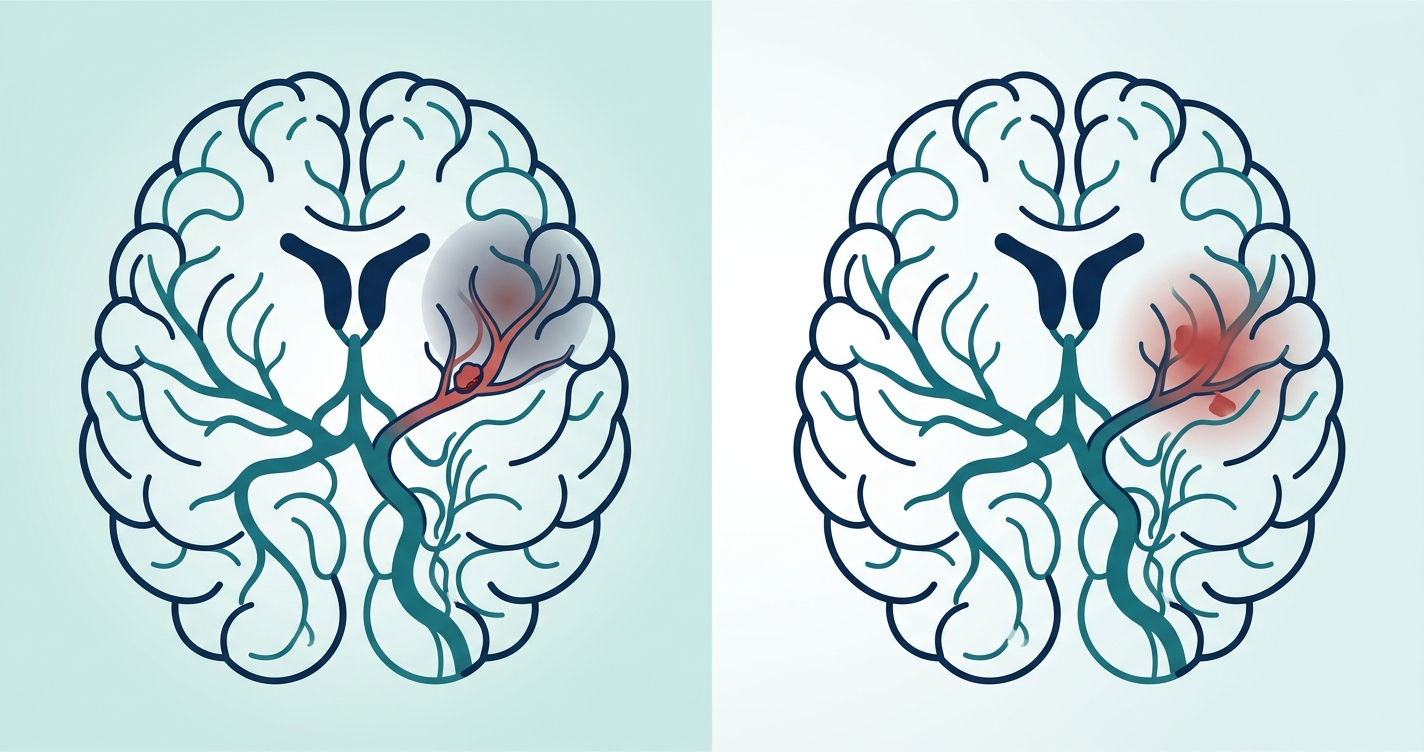
Parkinson's disease (PD) develops when dopamine-producing neurons in the substantia nigra progressively die. Once ~60% of these neurons are lost, the classic motor symptoms appear: resting tremor, bradykinesia (slowness), rigidity, and postural instability.
Tremor — but not just any tremor
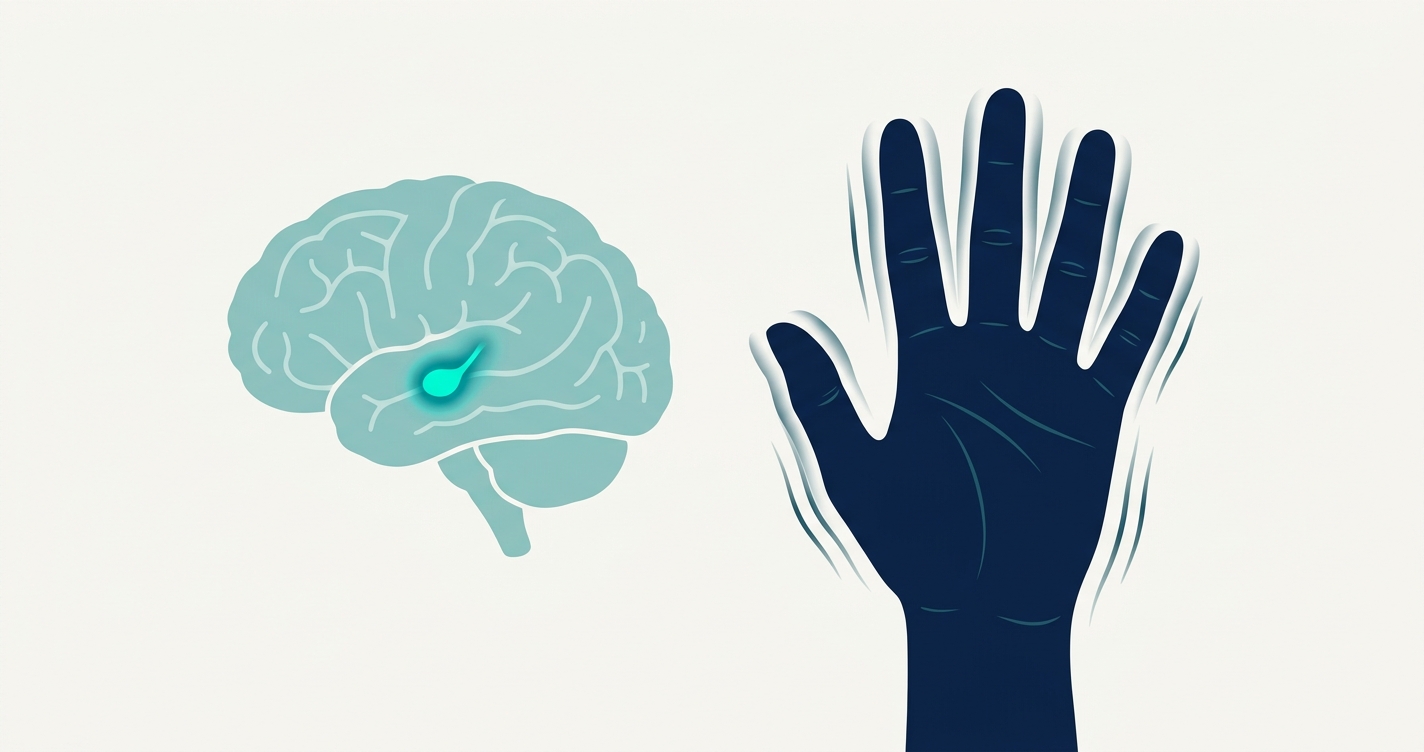
The classic PD tremor is a resting 'pill-rolling' tremor, usually starting in one hand, that decreases when the hand is used. It's different from essential tremor (action tremor, both hands, positive family history) or cerebellar tremor (intention tremor, gets worse near the target). Getting this distinction right changes treatment entirely.
Beyond the motor symptoms
Non-motor symptoms often precede the tremor by years: loss of smell, constipation, REM-sleep behaviour disorder (acting out dreams), depression, anxiety. If you have several of these plus a new-onset resting tremor, see a movement-disorder neurologist.
Treatment — and why a second opinion matters
Levodopa is the gold-standard medication but comes with long-term motor complications. Dopamine agonists, MAO-B inhibitors, deep brain stimulation (DBS), and focused ultrasound are all part of the modern toolkit. A second opinion ensures (a) the diagnosis is correct (atypical parkinsonian syndromes are often missed), (b) your therapy is optimised for your age + goals, and (c) you know when DBS might help — most patients are referred too late.
Worried about your diagnosis?
Upload your MRI / CT & symptoms and get a written second opinion from a NIMHANS or AIIMS-trained specialist — in 48 hours, from ₹1,000.