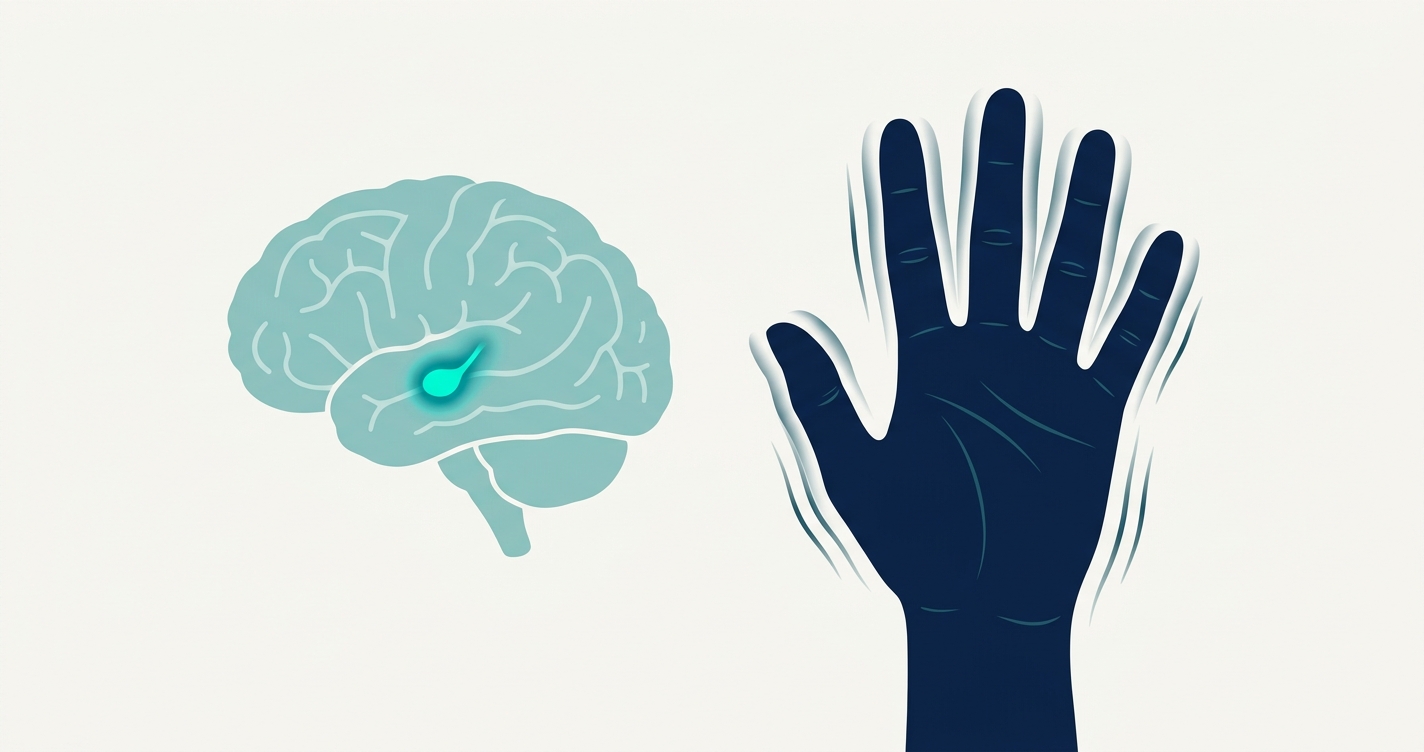

Ischemic vs Hemorrhagic stroke: Key differences and recovery
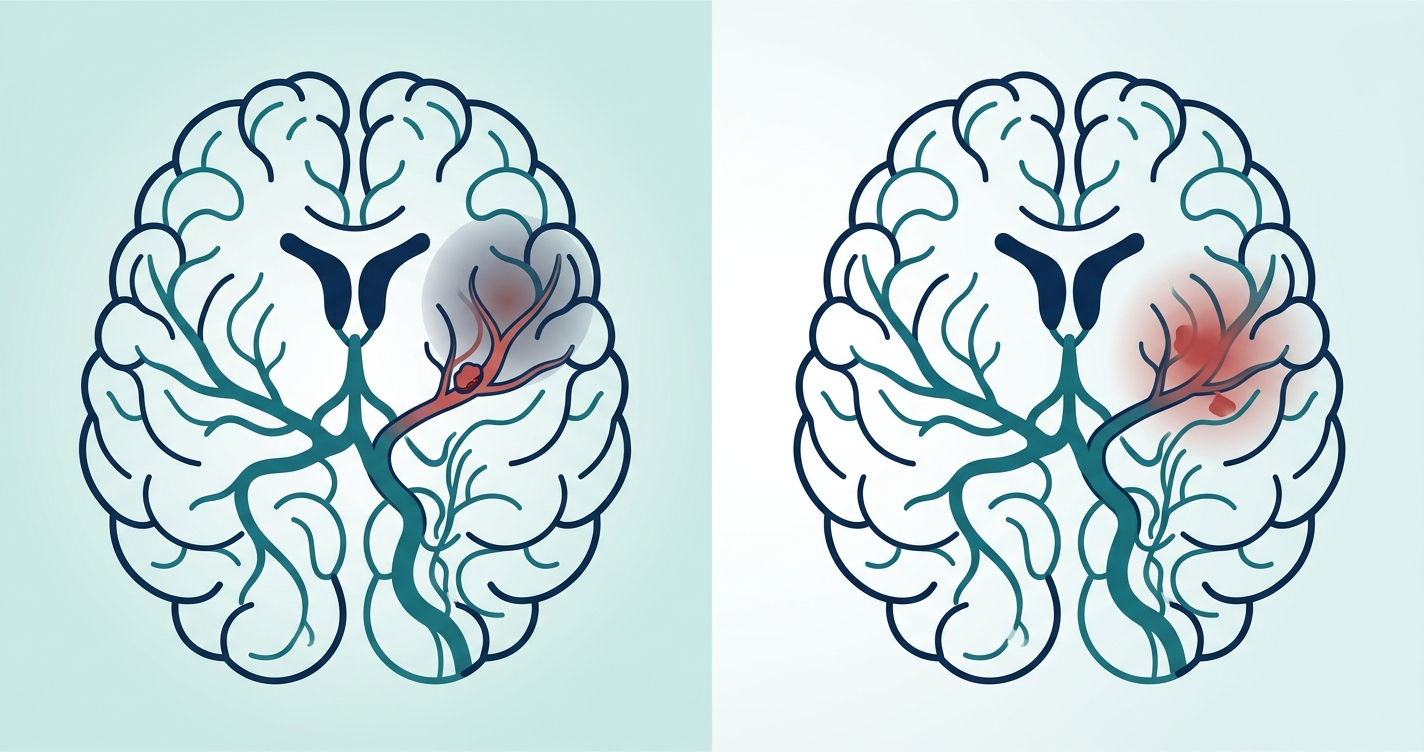
Not all strokes are the same. Understanding whether your stroke is ischemic (clot) or hemorrhagic (bleed) fundamentally changes treatment, recovery and long-term prognosis.
The golden hour
Every minute a stroke goes untreated, the brain loses an estimated 1.9 million neurons. Getting to a stroke-ready centre within 4.5 hours (for ischemic stroke) opens the door to IV thrombolysis; within 24 hours, mechanical thrombectomy is still often possible for large-vessel occlusions.
Ischemic stroke (≈80% of strokes)
Caused by a blood clot blocking an artery supplying the brain. Symptoms: sudden weakness on one side, face droop, garbled speech, vision loss. Diagnosis: non-contrast CT to rule out bleed, then CT angiogram/MRI. Treatment: tPA if within window + mechanical thrombectomy for large vessels + long-term anti-platelets / anticoagulation.
Hemorrhagic stroke (≈20%)
Caused by a ruptured artery (intracerebral haemorrhage) or aneurysm (subarachnoid haemorrhage). Presents with severe sudden headache ('worst of my life' in SAH), vomiting, altered consciousness. Treatment: BP control, reversal of blood thinners, neurosurgical evacuation or endovascular coiling for aneurysms.
Why second opinions after stroke save lives
Many patients are told 'nothing can be done' based on a 24-hour CT alone. An up-to-date MRI with DWI, careful vascular imaging and a neurologist's input can uncover treatable causes (dissection, PFO, cardioembolic sources) that a rushed first read misses. Post-stroke rehab plans vary enormously — a second opinion ensures you're on the aggressive end of evidence-based recovery.
Worried about your diagnosis?
Upload your MRI / CT & symptoms and get a written second opinion from a NIMHANS or AIIMS-trained specialist — in 48 hours, from ₹1,000.